Nike SB is Nike’s skateboarding division, and its story starts with a failure. In the 90s Nike got into skating with shoes nobody wanted, and skaters saw it as a multinational coming to cash in. It came back in 2002 with a different attitude, with a shoe skaters were already wearing, the Dunk, and with a team of four highly respected skaters. Today SB Dunks are among the most sought-after sneakers in the world and its skaters win Olympic golds.
Here is the story of Nike SB, who Sandy Bodecker was, the most legendary Dunks, how the Janoski came to be, what tech its shoes have and who skates in them.
The failure of the 90s
In August 1996 Nike put out its first skate shoes: the Choad, the Snak and the Schimp. They were bulky, with tech designed for other sports and names that got laughs. Skaters back then wore Etnies, DC, Airwalk or éS, and saw Nike as “the system” coming to make money off something it didn’t understand.
The reaction was clear. Steve Guisinger, owner of Consolidated Skateboards, printed stickers with the slogan Don’t Do It, a parody of Nike’s Just Do It. Bam Margera, who was one of the faces of that attempt, skated in other shoes and stuck a Nike logo over them. Nike ended up shutting down the project.
Meanwhile, something funny was going on: skaters were buying old basketball Dunks, the 1985 model, because they were on clearance and the sole gripped well. That was the idea for the comeback.
2002: Sandy Bodecker and the Dunk
Sandy Bodecker had joined Nike in 1982 as a footwear testing coordinator and had run the soccer business. In the early 2000s he was handed skateboarding. His idea was not to invent anything: instead of designing a new shoe, remake the one skaters were already using. They added a padded, puffy tongue, elastic bands, Zoom Air in the heel and a sole adapted to grip on grip tape.
Bodecker traveled the US East Coast with a sample, visiting independent skate shops, accompanied by Reese Forbes, who helped him win people over. Skaters were doubtful: Forbes himself was afraid Nike would mess it up again.
In March 2002 the Dunk Low Pro SB came out with the Colors By series, one colorway for each skater on the founding team:
- Gino Iannucci: dark gray and black, in suede and perforated leather.
- Richard Mulder: white and blue, inspired by the first Nikes he had as a kid.
- Danny Supa: blue and orange, the colors of the New York Knicks.
- Reese Forbes: suede in the colors of a work boot.
SB Dunks were only sold in skate shops, and that was key to skaters accepting them. Sales weren’t spectacular at first, but the collabs changed everything.
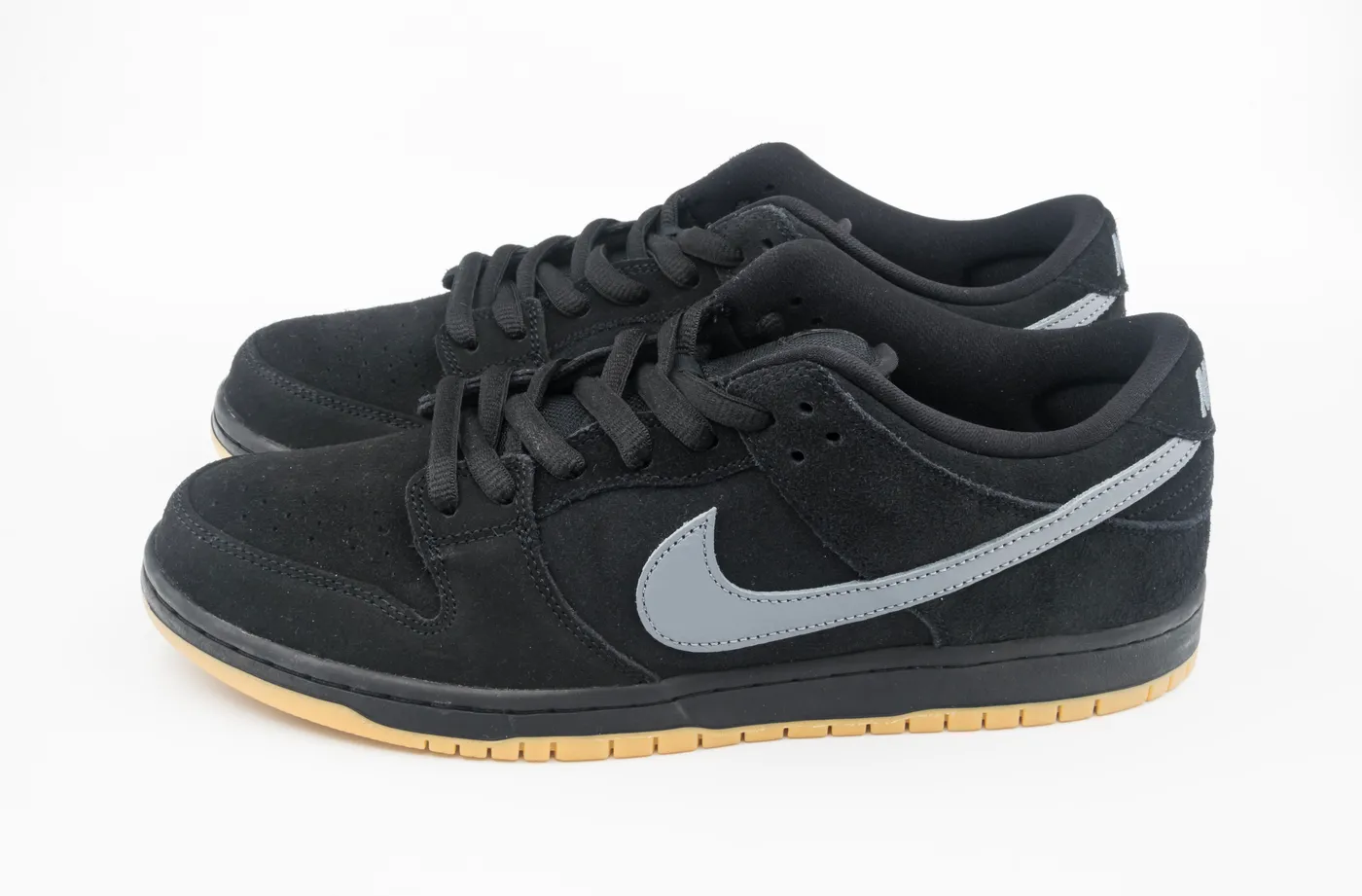
The most legendary SB Dunks
- Supreme (September 2002): with the elephant print from the Air Jordan 3, the first time it had been used on another shoe.
- Heineken (2003): green and red, with a nod to the beer, but with no official collab. Nike pulled them over legal problems.
- Tiffany (2005): with Diamond Supply, inspired by the blue of the Tiffany jewelry store.
- Pigeon (2005): Jeff Staple’s design dedicated to New York’s pigeons, the most famous of them all.
- Slam City Skates (2005): the London shop gave five pounds to anyone who did a kickflip in front of the shop wearing the new Dunks.
- Lobster (2008): the lobsters from the Concepts store.
- Ben & Jerry’s “Chunky Dunky” (2020): the ones that made Dunks fashionable again all over the world.
The Pigeon riot
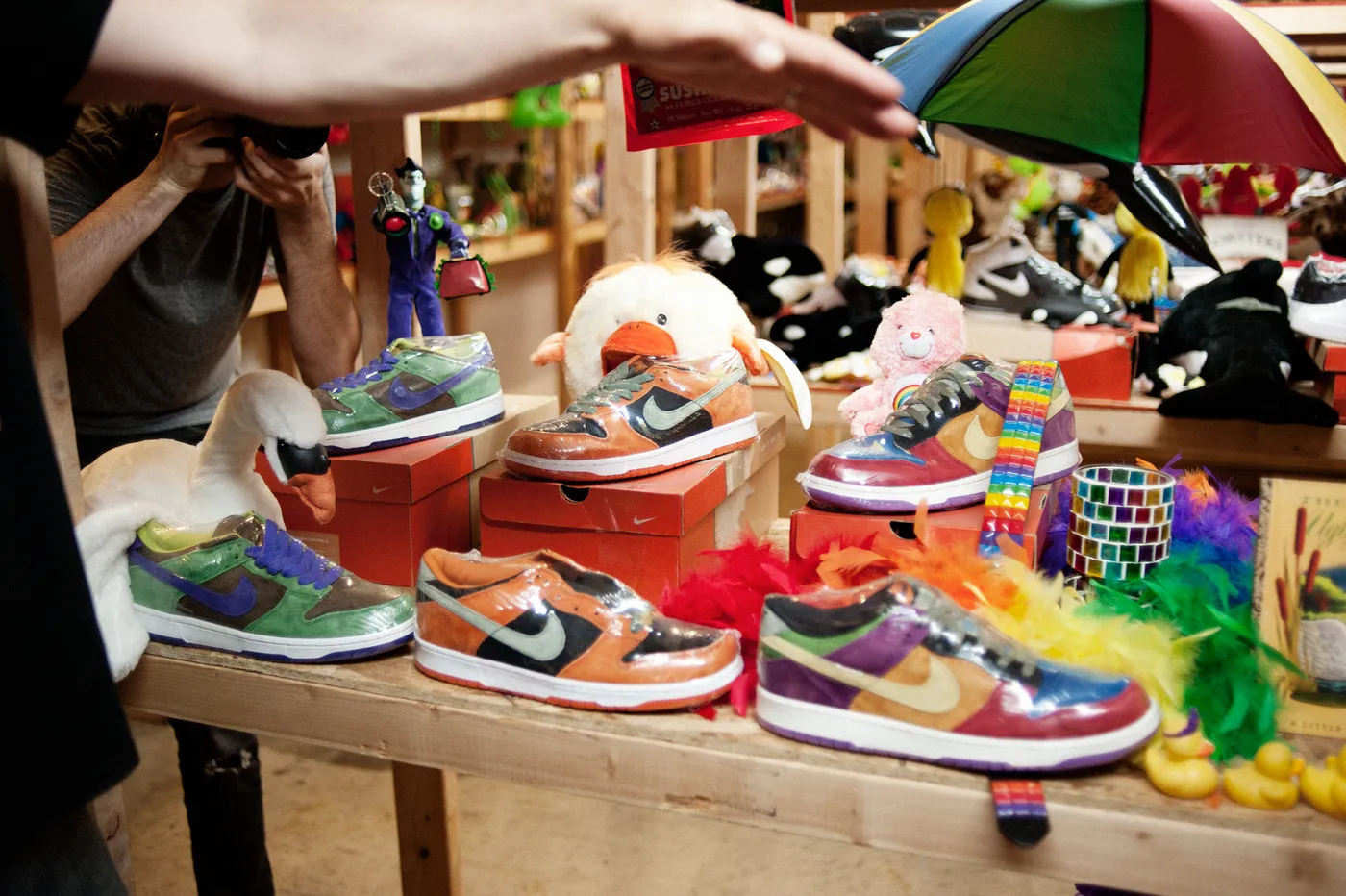
On February 22, 2005, the “Pigeon” Dunk dropped at Reed Space, Jeff Staple’s store on the Lower East Side of New York. People camped out for four days in a snowstorm, and Staple bought them pizza every night. When the line passed a hundred people, the police ordered it to disperse. Nobody moved, there was pushing and shoving and reinforcements showed up, including a special unit. Staple said he saw bats and machetes on the ground.
The story made the cover of the New York Post and the TV news. The next day, Timberland called the store to ask for “a riot” for their shoes. Today an original pair of Pigeons can go for more than $10,000.
The Janoski and signature shoes
In 2005 came Nike SB’s first signature shoe, Paul Rodriguez’s, with Zoom Air in the heel. In 2006 Stefan Janoski signed, and with designer James Arizumi he spent about two years developing his shoe: a long, flat toe, an unpadded tongue, very few seams, a vulcanized sole and a cork insole, a nod to his family’s wine cellar.
Nike’s execs didn’t like it: they said it was too simple and didn’t look like a Nike. Arizumi says the sign that it was going to work was that Janoski kept a sample to skate and the factory had to make another one. It was expected to last six months. It came out in 2009 and today has more than 1,500 versions.
After that came the shoes of Eric Koston (who signed in 2009, from Lakai), Omar Salazar, Nyjah Huston, Shane O’Neill, Ishod Wair and Leo Baker, the first trans person with a signature shoe at Nike SB.
Videos
| Year | Video |
|---|---|
| 2004 | On Tap |
| 2007 | Nothing But the Truth, the first full-length video |
| 2008-2009 | Debacle |
| 2010 | Don’t Fear the Sweeper and The Bird Is the Word |
| 2011-2015 | The SB Chronicles, volumes 1, 2 and 3 |
| 2019 | Trust Fall |
| 2021 | Constant |
The Nike SB team
- 2002: Gino Iannucci, Danny Supa, Richard Mulder and Reese Forbes.
- 2004-2009: Paul Rodriguez, Australian Lewis Marnell, Lance Mountain, Stefan Janoski, Omar Salazar, Grant Taylor and Eric Koston.
- 2011-2015: Dutchman Wieger Van Wageningen, Youness Amrani, Sean Malto, Luan Oliveira, Justin Brock and Trevor Colden.
- After that: Ishod Wair, Shane O’Neill, Karsten Kleppan, Dashawn Jordan, Theotis Beasley, Nyjah Huston, Guy Mariano, Cory Kennedy, Dane Hjalte Halberg, Swede Oski Rozenberg and Spaniard Dani Lebrón.
- Women and the new generation: Leticia Bufoni, first woman on the team in 2015, Leo Baker, Nicole Hause, Sky Brown and Funa Nakayama.
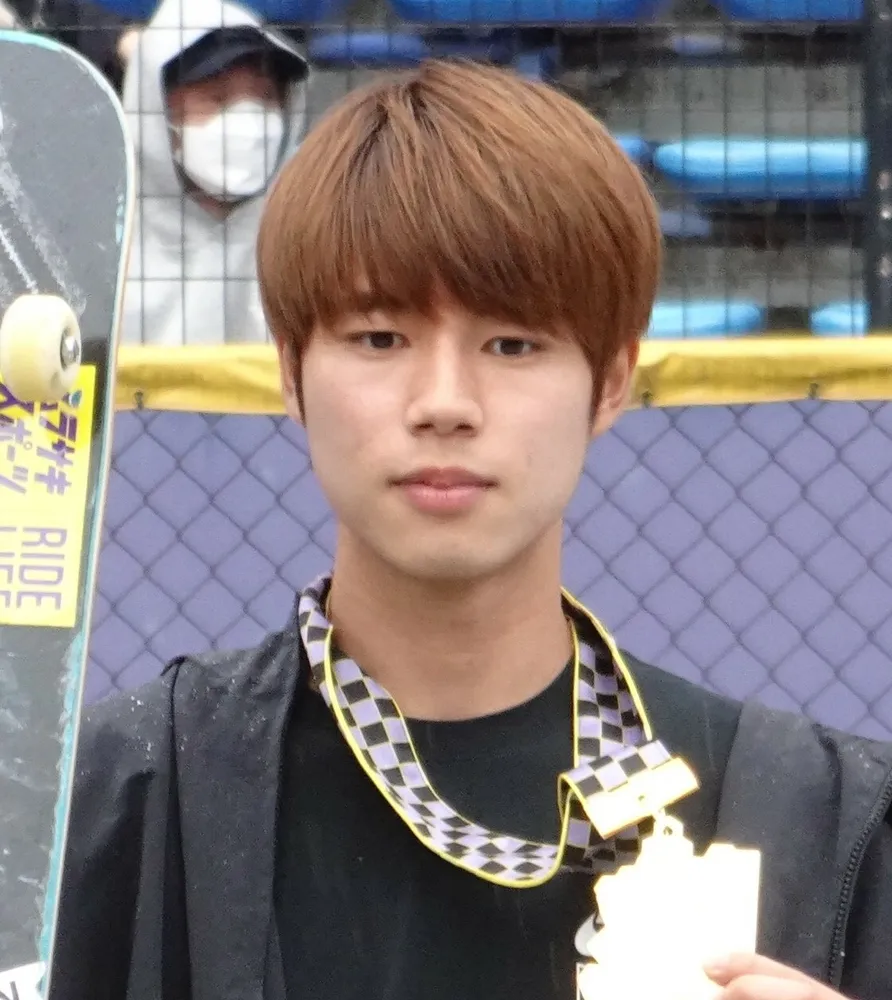
Yuto Horigome won Olympic gold in Tokyo 2020 and Paris 2024, and Rayssa Leal won silver in Tokyo at 13 and bronze in Paris. Nike SB outfitted several federations at both Games.
In Spain, Nike SB presented its team at the Camp Nou in May 2013, for the Street League, and in 2022 its tour for the brand’s 20th anniversary stopped in Barcelona.
Sandy Bodecker died in October 2018 of cancer. Nike SB dedicated a Dunk to him in the colors of the faded sweatshirt he used to wear. His legacy, in the brand’s own words, was giving skaters a voice inside Nike.
Nike SB shoe tech
- Zoom Air: an air unit with tensioned fibers that compresses on landing and gives the energy back. It sits in the heel of the Dunks and many signature shoes.
- Lunarlon: a lightweight foam for cushioning, used in models with more board feel.
- Vulcanized sole: the one on the Janoski or the Heritage Vulc. Thin, flexible and with lots of board feel, like the sole on a pair of Vans.
- Stitched sole (cupsole): the one on the Dunks. More protection for big drops.
- Flyknit: the knit fabric used on models like the Koston 3.
Nike SB vs. Vans
It is the most searched comparison. The Janoski or Heritage Vulc are similar to Vans: vulcanized sole, thin, with lots of board feel. The Dunks are something else: stitched sole, more padding and Zoom Air. Vans has a lot more history in skateboarding, going back to the 70s; Nike SB has more cushioning tech and the appeal of its collabs. There’s a comparison in the best skate shoes.
Who is Nike SB for?
- If you jump stairs or skate hard: SB Dunks or a shoe with Zoom Air will protect you more.
- If you want board feel: Janoski or Heritage Vulc.
- If you collect: SB Dunks are among the most sought-after sneakers in the world, but watch out for fakes and buy from trustworthy shops.
Frequently asked questions
What does SB stand for in Nike SB?
SkateBoarding. There is an idea going around that it is also the initials of Sandy Bodecker, the person in charge of the brand, but Nike has always presented it as SkateBoarding.
When did Nike SB start?
In March 2002, with the release of the Dunk Low Pro SB. Nike had already tried to get into skateboarding in 1996 with shoes like the Choad, the Snak and the Schimp, and failed.
What is the difference between an SB Dunk and a regular Dunk?
The SB Dunk has a thicker padded tongue, elastic bands to hold it in place, Zoom Air in the heel, triple stitching and a sole adapted to grip on grip tape. The regular Dunk is the 1985 basketball shoe without those changes.
What happened with the SB Dunk Pigeon?
On February 22, 2005, the 'Pigeon' Dunk, designed by Jeff Staple, dropped at Reed Space in New York. People camped out for four days in the snow, the police had to step in and it made the cover of the New York Post. It is remembered as the first 'riot' over skate shoes.
Nike SB or Vans for skating?
It depends on the model. Nike SB's Janoski or Heritage Vulc are vulcanized, thin and have lots of board feel, like Vans. The Dunks have a stitched sole and more cushioning. Vans has more history in skateboarding; Nike SB has more cushioning tech.
Who made the Nike Janoski?
Stefan Janoski, a Nike SB pro, with designer James Arizumi. It came out in 2009 and was the first skate shoe Nike designed from scratch. The execs thought it was too simple; today it has more than 1,500 versions.
How can I tell if SB Dunks are real?
There is no single rule, because every model has its own details. The safest thing is to buy them from official stores or skate shops. On resale, be wary of prices that are too low on hyped models and compare the box, the label and the stitching with photos of authentic pairs.